
Intruduction
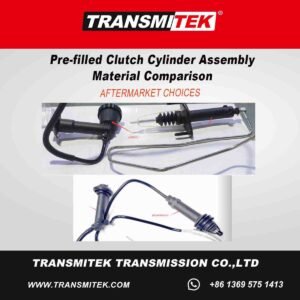
Distributors and wholesalers know the drill: every part you stock is a promise to your customers. With pre-filled clutch systems, the choice between plastic and aluminum isn’t just about materials—it’s about durability, reliability, and protecting your reputation in the aftermarket.
Aluminum may seem cheaper upfront, but plastic systems—engineered properly—offer consistent quality, lower warranty risks, and better customer satisfaction. For distributors, that can translate into smoother operations and stronger long-term profits.
Let’s break it down. Why do so many factories still rely on aluminum? What makes plastic technically superior? And most importantly, how does it affect your business as a distributor or wholesaler?
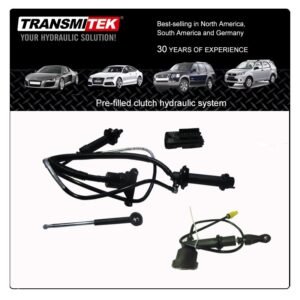
Why Aluminum Is Still So Common
Many factories stick with aluminum because it’s straightforward to produce. For smaller factories with limited technical capabilities, aluminum is low-risk and low-cost.
But for you as a distributor, there are some hidden downsides: aluminum can corrode over time, performance can vary across batches, and extreme temperatures can cause issues with sealing and function. That translates into more returns, more complaints, and more headaches for your business.
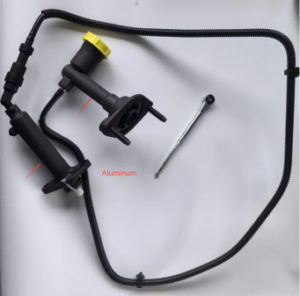
The Risks of Aluminum Systems
For distributors, aluminum’s main drawback isn’t the price—it’s the unpredictable performance. Inconsistent batches, functional limitations, and shorter lifespan all create more work for your customers and more risk for your business.
Leaky or failing cylinders hurt your reputation, higher warranty claims drain resources, and selling lower-performing parts can make it hard to compete with distributors who offer more reliable alternatives.
Why Plastic Systems Are a Smarter Choice
Plastic isn’t “cheap” anymore. Modern high-performance plastics are lightweight, strong, and engineered to meet OEM standards. They are more stable, reduce risk, and often outperform aluminum in real-world conditions.
-
Lightweight & durable: Easier installation and better overall vehicle performance.
-
Corrosion-proof: Plastic won’t rust or pit like aluminum.
-
Temperature-resistant: Reliable from -40°C to 120°C.
-
Stable quality: Consistency across batches means fewer returns and warranty claims.
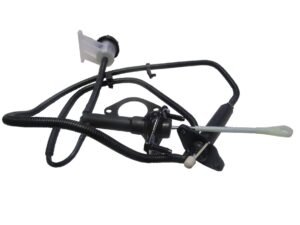
How This Impacts Wholesalers and Distributors
From a business perspective, the material choice is about risk management and customer satisfaction. Plastic systems allow you to stock reliable products, reduce aftersales headaches, and build stronger relationships with repair shops and end users.
Fewer defective units mean less money wasted on returns and support, and offering OEM-level plastic parts can set you apart from competitors who still sell aluminum systems.
Why Our Factory Stands Out
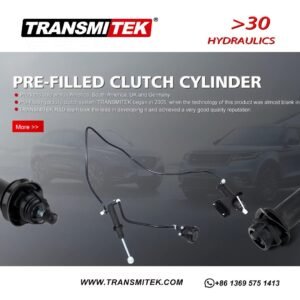
With 30 years of hydraulic expertise, our factory produces plastic pre-filled clutch cylinders that match—or even surpass—OEM standards. Unlike many local factories limited to aluminum, our plastic systems deliver the reliability, durability, and consistency that distributors and wholesalers need to confidently supply the aftermarket.
This is also the reason why many well-known brands and Fortune 500 brands have long-term cooperation with our company.
Conclusion
Choosing between aluminum and plastic isn’t just about upfront cost—it’s about long-term value. Aluminum may save a little initially, but plastic delivers consistency, reliability, and customer satisfaction. For distributors and wholesalers, this means less risk, happier customers, and a stronger competitive position in the market.
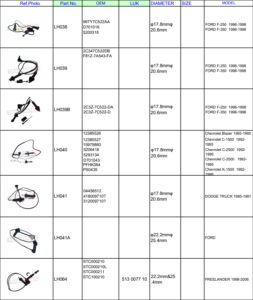
If you want to see how our plastic pre-filled clutch cylinders can fit into your product line, we’re happy to share more details and data.